

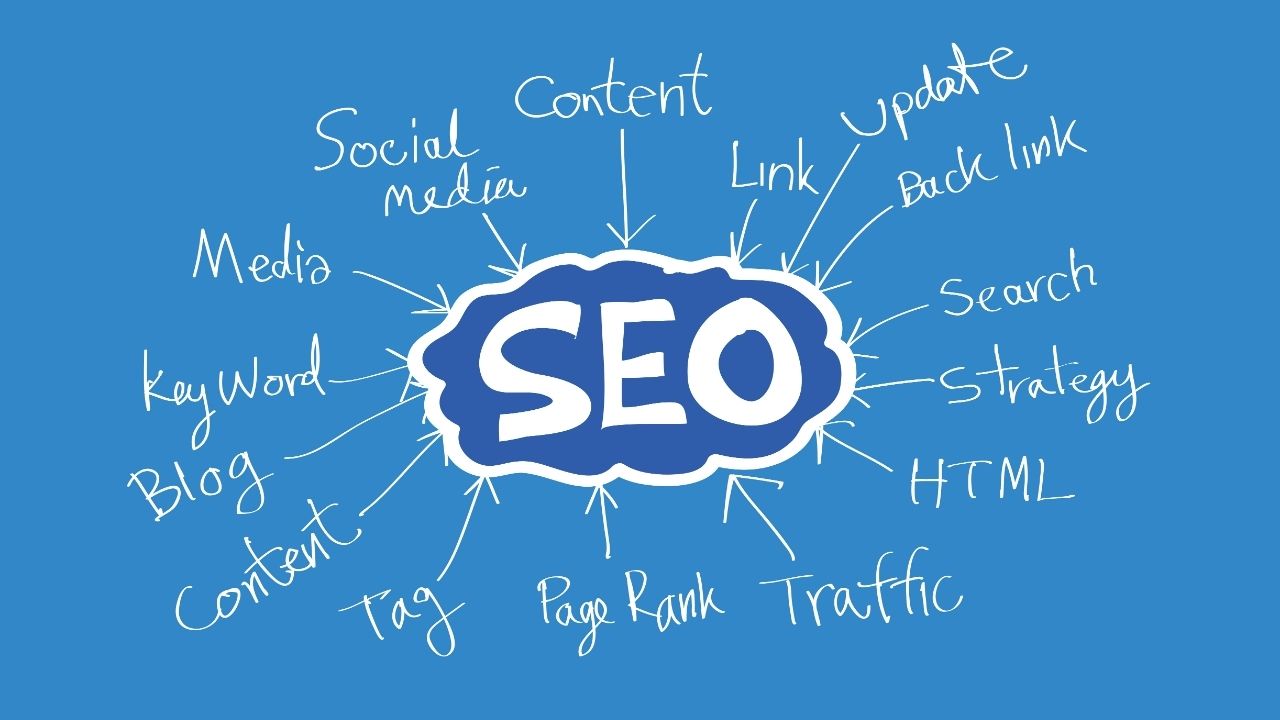
What is search engine optimisation?
Search engine optimisation is the process that helps to optimise a website so that it ranks higher on search engines like Google and Yahoo for relevant keywords used in that website. The main goal is to increase organic or free traffic on a website.
Simply you can say that:
SEO = Get More Visibility + Get More Traffic + Get More Trust + Get More Sales
Why Is It so Important?
It is one of the great digital marketing strategies because people search for anything on search engines, and every kind of solution is available on these platforms, and it will make us rank higher, which helps us to grow and reach customers easily.
Advantages:
- Generate leads and sales
- Help in building trust and brand credibility
- More affordable than paid ads
- Better user experience
- Increases website visibility
- Increase organic traffic on the website.
How Search Engines Work?
Some steps are as follows:
- Crawling
Search engine bots scan websites and follow links to discover new pages which are attached to them.
Example: Googlebot
- Indexing:
The pages crawled by bots are stored in the search engine’s database. That’s called page indexing.
- Ranking:
Search engine pages are ranked based on the relevance, quality and user experiences.
Types:
It is divided into three main categories:
1. On-Page SEO
On-page SEO refers to work done inside the website.
Key Elements of On-Page SEO:
- Keyword research & placement
- friendly URLs
- Title tags & meta descriptions
- Header tags (H1–H6)
- Image optimization (alt text)
- Internal linking
- High-quality content
2. Off-Page SEO
Off-page search engine optimisation includes actions done outside the website to improve authority.
Key Elements of Off-Page SEO:
- Backlinks (link building)
- Social media sharing
- Brand mentions
- Guest posting
- Influencer outreach
Backlinks act as votes of trust for your website.
3. Technical SEO
Technical search engine optimisation focuses on improving the backend structure of a website.
Key Elements:
- Website speed optimization
- Mobile responsiveness
- HTTPS (SSL security)
- XML sitemap
- Robots.txt
- Fixing broken links
- Core Web Vitals
Soul of SEO : Keyword Research
Keyword research means finding words, phrases, searches and queries that people search on engines to find products and services.
Types of Keyword:
- Short keywords: “SEO”
- Long keywords: “Search Engine Optimization for beginners in India”
- Informational keywords: how, what, why
- Transactional keywords: buy, best, price
Keyword Research Tools:
- Google Keyword Planner
- Google Search Console
- Ahrefs
- SEMrush
- Ubersuggest
Search engine optimisation and content
The heart and soul of content is search engine optimisation.
Ranking Factors In Google:
Some major ranking factors include:
- Quality content
- Backlinks
- Page speed
- Mobile-friendliness
- User engagement (CTR, bounce rate)
- Domain authority
- Content freshness
White Hat vs Black Hat
White Hat SEO (Recommended)
- Follows Google guidelines
- Focuses on users
- Long-term results
Black Hat SEO (Risky)
- Keyword stuffing
- Fake backlinks
- Cloaking
- Duplicate content
Black hat SEO may give short-term gains but can result in Google penalties.
Local search engine optimisation
It helps businesses appear in local search results.
Local SEO Optimization Includes:
- Google Business Profile
- Local keywords
- NAP consistency (Name, Address, Phone)
- Customer reviews
- Local backlinks
Search engine optimisation vs Paid Ads
| SEO | Paid Ads |
| Free traffic | Paid traffic |
| Long-term | Short-term |
| Builds trust | Instant visibility |
| Slow results | Fast results |
Tools You Must Know
Yoast SEO / Rank Math
Google Analytics
Google Search Console
Ahrefs
SEMrush
Screaming Frog
Common Mistakes
- Ignoring keyword research
- Duplicate content
- Slow website speed
- No mobile optimization
- Poor internal linking
- Buying backlinks
Is SEO a One-Time Process?
No, it is a continuous process because:
- Google algorithms change
- Competitors improve
- User behavior evolves
Career Scope
It is a high-demand skill in digital marketing.
SEO Career Options:
- Executive
- Analyst
- Manager
- Content Specialist
- Freelance Consultant
