

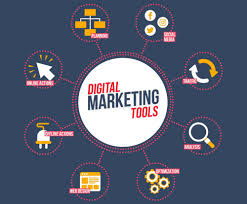
The digital marketing industry is totally dependent upon skill, and tools are used for enhancing their skills for planning, executing and analysing the marketing strategies. Various platforms help to improve efficiency, save time, get better results, better analyse the market and create better strategies. For beginners it’s very important to know about them and have command over them.
In the market there are more than 1000 tools, but which tool helps you in this field? I discussed this in my blog. I enlisted the tool name and its category (free or paid) and its benefits and their uses also in a very simple manner.
Why these platforms are important:
These platforms will help the marketers in the following ways:
- Improves productivity
- Manage marketing campaigns effectively.
- Create content professionally.
- Track data and performance.
- Decision based on data analysis
Without tools, digital marketing becomes more confusing and time-consuming. These will help beginners change work into professional-looking work.
Why Digital Marketing Tools Are Important
Digital marketing platforms help marketers:
- Automate repetitive tasks
- Analyze data and track performance
- Improve accuracy and productivity
- Create professional content
- Manage campaigns efficiently
- Make data-driven decisions
Without these, digital marketing becomes time-consuming and less effective. These help beginners work like professionals even with limited experience.
Categories of Digital Marketing Tools
Digital marketing tools can be broadly divided into the following categories:
- SEO
- Social Media Marketing
- Content Creation
- Paid Advertising
- Email Marketing
- Analytics and Reporting
Let’s understand each category in detail.
1. SEO Tools (Search Engine Optimization)
These help in optimising websites to rank higher on search engines like Google and Bing. SEO is the backbone of long-term digital marketing success.
Free SEO Platform
Google Search Console
This tool helps monitor website performance on Google. It shows keywords, impressions, clicks, indexing issues, and technical errors. It is a must-learn tool for beginners.
Google Keyword Planner
Used for keyword research and search volume analysis. It helps identify relevant keywords and competition levels.
Ubersuggest (Limited Free Version)
Provides keyword ideas, SEO difficulty, content suggestions, and basic competitor analysis.
Paid SEO Platforms
SEMrush
An all-in-one SEO tool used for keyword research, competitor analysis, backlink tracking, site audits, and content optimisation.
Ahrefs
Best known for backlink analysis. It also offers keyword research, site audits, and competitor research.
Why beginners should learn SEO tools:
SEO platforms help build organic traffic, reduce dependency on paid ads, and improve website visibility.
2. Social Media Marketing Tools
Social media platforms help manage, schedule, monitor, and analyse social media content across platforms.
Free Social Media Tools
Meta Business Suite
Allows managing Facebook and Instagram pages, scheduling posts, replying to messages, and tracking insights.
Twitter (X) Analytics
Helps analyse tweet engagement, impressions, and audience behaviour.
Paid Social Media Tools
Hootsuite
Used to schedule posts across multiple platforms, monitor mentions, and analyse performance.
Buffer
A beginner-friendly scheduling tool for planning and publishing social media content.
Why beginners should learn social media tools:
These platforms save time, maintain consistency, and help build a strong online presence.
3. Content Creation Tools
Content is the heart of digital marketing. These will help create high-quality visual and written content.
Free Content Creation Tools
Canva
A graphic design tool used to create social media posts, banners, ads, presentations, and thumbnails. It is beginner-friendly and widely used.
Grammarly (Free Version)
Helps improve grammar, spelling, and content clarity.
Paid Content Tools
Canva Pro
Offers premium templates, brand kits, background removal, and advanced design features.
Jasper / Copy.ai
AI-powered content writing platforms are used to generate blog ideas, ad copy, captions, and email content.
Why beginners should learn content tools:
Good content attracts, engages, and converts users, making these essential.
4. Paid Advertising Tools
Paid advertising platforms help run performance-driven marketing campaigns.
Free Advertising Platforms
Google Ads
Used to run search, display, video, and shopping ads. It focuses on keyword-based targeting and high-intent users.
Meta Ads Manager
Used to create ads on Facebook and Instagram with advanced audience targeting options.
Paid Advertising Support Tools
SpyFu
Used to analyse competitor ads and keywords.
AdEspresso
Helps optimise Facebook and Google ad campaigns through A/B testing.
Why beginners should learn ad tools:
Paid ads bring fast results and are in high demand in digital marketing careers.
5. Email Marketing Tools
Email marketing platforms help communicate directly with customers and leads.
Free Email Marketing Tools
Mailchimp (Free Plan)
Allows creating email campaigns, managing subscribers, and basic automation.
MailerLite
Offers easy email design, automation workflows, and subscriber management.
Paid Email Marketing Tools
ActiveCampaign
Provides advanced automation, segmentation, and CRM integration.
HubSpot Email Marketing
Combines email marketing with CRM and lead nurturing features.
Why beginners should learn an email marketing platform:
Email marketing delivers one of the highest ROIs in digital marketing.
6. Analytics and Reporting Tools
Analytics platforms measure performance and provide insights for improvement.
Free Analytics Tools
Google Analytics (GA4)
Tracks website traffic, user behaviour, conversions, and goals.
Google Looker Studio
Used for creating custom reports and dashboards.
Paid Analytics Tools
Hotjar
Provides heatmaps, session recordings, and user behaviour insights.
Kissmetrics
Offers advanced customer journey tracking and analytics.
Why beginners should learn analytics platforms:
Data analysis helps improve strategies and justify marketing decisions.
Must-Learn Digital Marketing Tools for Beginners
For beginners, focus on learning these tools first:
- Google Analytics
- Google Search Console
- Google Ads
- Meta Ads Manager
- Canva
- Grammarly
- Mailchimp
- Ubersuggest
Once comfortable, move to an advanced paid platform.
Free vs Paid platforms : What Should Beginners Choose?
Free Platform:
- Ideal for learning
- Limited features
- Best for beginners
Paid Platforms:
- Advanced features
- Better data accuracy
- Suitable for professionals
Beginners should start with free tools and gradually invest in paid platforms as skills improve.
Career Benefits
- Gain practical experience
- Perform better in interviews
- Handle real client projects
- Increase freelancing income
- Grow faster in their career
Employers prefer candidates with hands-on platform knowledge.
Digital marketing tools are essential for success in the online marketing world. For beginners, learning the right mix of free and paid platforms builds a strong foundation and boosts confidence. From SEO and social media to ads and analytics, each tool plays a unique role in improving digital marketing performance.
By mastering these tools step by step, beginners can unlock exciting career opportunities and grow as skilled digital marketers in a competitive industry.
